
ePT--the Electronic Newsletter of Pharmaceutical Technology
Orphan drugs may help pharmaceutical companies reduce the effect of revenue loss caused by patent expirations of blockbuster drugs, according to Frost and Sullivan.
ePT--the Electronic Newsletter of Pharmaceutical Technology
Orphan drugs may help pharmaceutical companies reduce the effect of revenue loss caused by patent expirations of blockbuster drugs, according to Frost and Sullivan.
ePT--the Electronic Newsletter of Pharmaceutical Technology
sanofi-aventis outlined an investment plan for adapting its chemical and biotechnology manufacturing facilities in France during the next four years.
ePT--the Electronic Newsletter of Pharmaceutical Technology
FDA Approves New Formulation For OxyContin To Discourage Misuse And Abuse.
ePT--the Electronic Newsletter of Pharmaceutical Technology
The US Pharmacopeial Convention welcomed Minghao Zhou of China's Zhejiang Provincial Institute for Food and Drug Control.
ePT--the Electronic Newsletter of Pharmaceutical Technology
Eli Lily Wins Court Battle; Genzyme Appoints COO; And More.

Collaboration has been key to the pharmacopeia's achievement.

As drug manufacturing and standards grow, pharmacopeias must adapt to meet new challenges.
As the industry continues to evolve, do we know where we're headed?
Laboratory personnel share interesting tales as well as stories of unexpected tails.

As demand for global vaccine development and production grows, all eyes are turning to Asia.

The BIO convention, and healthcare reform, could re-energize biotech.
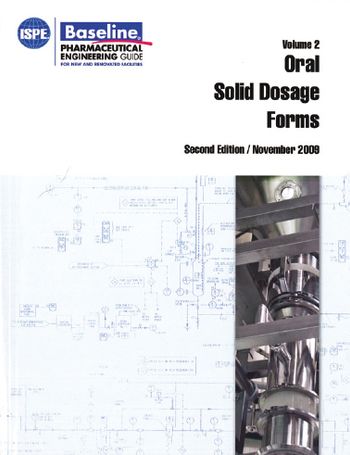
New information improves an organization's guide to building manufacturing facilities.

Pharmaceutical Technology Europe
Change is a part of life which some fear whilst others thrive. In the commercial world, a fundamental aspect of good management is to apply strategic insight to react to change in order to survive and grow. The pharmaceutical industry, as with every industry, is constantly exposed to new threats. Companies are all too painfully aware that the external threats that it currently faces, as well as the threat of their own drying pipelines, are forcing it to adapt and to stay on the lookout for new opportunities - now more than ever.
ePT--the Electronic Newsletter of Pharmaceutical Technology
The US Government Accountability Office issued a report that's largely critical of FDA's efforts to fully use practices for effective strategic planning and management.
ePT--the Electronic Newsletter of Pharmaceutical Technology
WHO Releases Draft Guideline For Production And Control Of Specified Starting Materials.
ePT--the Electronic Newsletter of Pharmaceutical Technology
The European Medicines Agency's Management Board praised the European medicines regulatory network's handling of the 2009 H1N1 swine-flu pandemic.
ePT--the Electronic Newsletter of Pharmaceutical Technology
In an attempt to strengthen safeguards against counterfeit, diverted, subpotent, misbranded, adulterated, or expired drugs, FDA issued a new final guidance for industry.
ePT--the Electronic Newsletter of Pharmaceutical Technology
Biotechnology company Genzyme reported that FDA notified the company that it intends to take enforcement action to ensure that products are made in compliance with good manufacturing practice (GMP) regulations.
ePT--the Electronic Newsletter of Pharmaceutical Technology
Pfizer Invests In Nodality; SOCMA Approves New Members; And More.
ePT--the Electronic Newsletter of Pharmaceutical Technology
FDA issued a final rule to make cigarettes and smokeless tobacco products less attractive and less accessible to children and adolescents.
ePT--the Electronic Newsletter of Pharmaceutical Technology
President Obama signed into law major healthcare reform following the passage of the bill by the House of Representatives.
ePT--the Electronic Newsletter of Pharmaceutical Technology
Seventeen pharmaceutical markets are now ranked as "pharmerging," according to market-research firm IMS Health.
ePT--the Electronic Newsletter of Pharmaceutical Technology
FDA issued a new guidance for industry to help new drug applicants write the dosage and administration section of their products' labels.
ePT--the Electronic Newsletter of Pharmaceutical Technology
FDA Issues Safety Warning Regarding Zocor; And More.
ePT--the Electronic Newsletter of Pharmaceutical Technology
Merck Ends Partnership With Dynavax; PhRMA Elects Officers; And More.
After months of increasingly rancorous debate, the House finally approved legislation on Mar. 21, 2010, that makes significant changes in the nation's healthcare system.
Pharmaceutical Technology Europe
A report from Thomson Reuters claims the number of patent challenges in the US almost doubled between 2008 and 2009.
ePT--the Electronic Newsletter of Pharmaceutical Technology
Abbott Agrees to Acquire Facet Biotech; FDA Issues Black-Box Warning For Plavix; and More.
ePT--the Electronic Newsletter of Pharmaceutical Technology
FDA Issues Warning Letter To Paddock Laboratories; And More.
ePT--the Electronic Newsletter of Pharmaceutical Technology
AstraZeneca signed a license and supply agreement with the drug company and manufacturer Torrent Pharmaceuticals.