
ePT--the Electronic Newsletter of Pharmaceutical Technology
Three companies joined the University of Pittsburgh Medical Center's 21st Century Biodefense initiative to establish a flexible vaccine development and production facility.
ePT--the Electronic Newsletter of Pharmaceutical Technology
Three companies joined the University of Pittsburgh Medical Center's 21st Century Biodefense initiative to establish a flexible vaccine development and production facility.
ePT--the Electronic Newsletter of Pharmaceutical Technology
The European Generic Medicines Association is calling for a reform of the European patent system.
ePT--the Electronic Newsletter of Pharmaceutical Technology
In the final phase of its transparency initiative, the US Food and Drug Administration seeks additional public comments about how it can increase its interactions with regulated industry.
Equipment and Processing Report
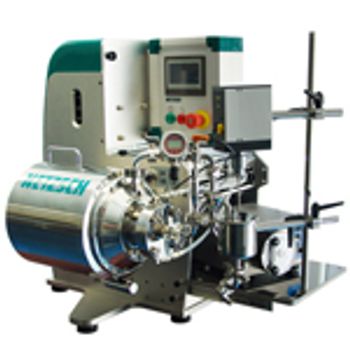
PharmTech's monthly newsletter, Equipment and Processing Report, reviews the Editor's Picks for the March 2010 edition from Munters and NETZSCH.

Equipment and Processing Report
Recent developments demonstrate the importance of biologicals, which usually are delivered through injections, for the drug industry's future. To find out about the process of manufacturing prefilled syringes, and to learn about innovations in filling lines, Equipment and Processing Report talked to Thomas Otto, managing director of Vetter.
Equipment and Processing Report
Continuous manufacturing could bring the pharmaceutical industry advantages such as improved product quality, easy scale-up, flexibility, and short cycle times. But how can a company switch from batch to continuous manufacturing?
Pharmaceutical Technology Europe
Following a number of serious adverse events, including infections and fatalities, Roche and Biogen Idec have suspended the late-stage development of Ocrelizumab for the treatment of rheumatoid arthritis (RA).
ePT--the Electronic Newsletter of Pharmaceutical Technology
The World Health Organization released new guidelines this week for the treatment of malaria and the first-ever guidelines on procuring safe and efficacious antimalarial drugs.
ePT--the Electronic Newsletter of Pharmaceutical Technology
The Pharmaceutical Research and Manufacturers of America, along with eight other pharmaceutical, business, and trade organizations, are calling on Russian authorities to consider policy changes concerning clinical-trial regulation and intellectual property.
ePT--the Electronic Newsletter of Pharmaceutical Technology
Exelixis And XenoPort Announce Job Cuts; GSK Dedicates India Facility; And More.
ePT--the Electronic Newsletter of Pharmaceutical Technology
The US Food and Drug Administration recently published guidance for the characterization and qualification of cell substrates, viral seeds, and other biological materials used to manufacture viral vaccines for human use.
ePT--the Electronic Newsletter of Pharmaceutical Technology
A UK consortium completed pilot runs of a pharmaceutical-safety program that uses electronic tracking and authentication to ensure the safety of drugs in the supply chain.
ePT--the Electronic Newsletter of Pharmaceutical Technology
FDA Published The International Conference on Harmonization S9 Guideline; ISPE Released A New Good Practice Guide On Manufacturing Execution Systems.
ePT--the Electronic Newsletter of Pharmaceutical Technology
The US Food and Drug Administration and the European Medicines Agency are implementing a streamlined process to help regulators better identify and share information regarding orphan-drug and biologic products.
ePT--the Electronic Newsletter of Pharmaceutical Technology
Merck KGaA has agreed to acquire Millipore for EUR 5.3 billion ($7.2 billion).
ePT--the Electronic Newsletter of Pharmaceutical Technology
Last week, the US Food and Drug Administration and the National Institutes of Health unveiled plans to establish a Joint Leadership Council to address important public-health issues.
ePT--the Electronic Newsletter of Pharmaceutical Technology
Astellas Pharma Makes Bid for OSI Pharmaceuticals; Ringo Retiring From Pfizer; And More.
ePT--the Electronic Newsletter of Pharmaceutical Technology
Top pharmaceutical and biotech companies should expect a major slowdown in sales growth between 2008 and 2014, according to business analysts Datamonitor.

PTSM: Pharmaceutical Technology Sourcing and Management
Following its $68-billion acquisition of Wyeth, Pfizer is integrating its manufacturing and outsourcing activities (Podcast).

Could President Obama's tax reform, which is targeted at reducing outsourcing, endanger India's contract-services industry?

To best carry out the vision of Hatch-Waxman, Congress must act now on biogenerics.

Contract manufacturers report improving business conditions, but will they continue?
Analysis of the opportunities and challenges in the biosimilars market.
From last-minute product inserts to putting out fires, close calls are a common occurrence.
It's time to maintain a thorough traceable excipient trail.

If both sides of the aisle don't agree on even mild healthcare reform soon, the bill could die out.
Pharmaceutical companies and their suppliers share approaches in risk mitigation in sourcing and ways to optimize the outsourced relationship.

Pharmaceutical Technology Europe
Last year, a member of the PTE editorial team attended the 2nd Annual Lyophilisation Conference in London (UK).
Pharmaceutical Technology Europe
The University of California, San Francisco (CA, USA; UCSF) has signed an agreement with Genentech with the aim of discovering and developing drug candidates for neurodegenerative diseases.
Pharmaceutical Technology Europe
A significant increase in the recruitment of contract staff is expected during the next 12 months in the UK biotechnology sector, according to a survey conducted by SRG, which provides personnel to various science-based sectors.