




Tech transfer is key to succession advancing biopharmaceutical pipeline products from research to preclinical.
Accurately targeted immunotherapies through reliable neoantigen recognition enable personalized medicine development.
Activation and expansion are essential for success in both autologous and allogeneic therapies.

Continuous manufacturing and a quality-by-design development approach are a natural fit.

Tech transfer is key to succession advancing biopharmaceutical pipeline products from research to preclinical.
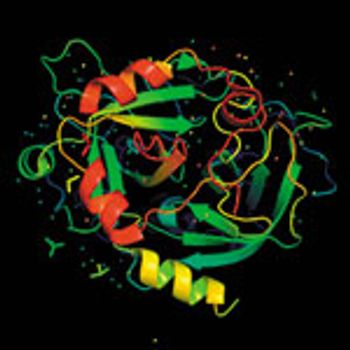
Drug developers must understand the complex bioanalytical assays for cell- and gene-therapy drug development programs and ensure that partners have the specialized expertise needed for complex therapeutic classes.

Lonza and Takeda have furthered their multiproduct partnership through collaborative efforts on a new cancer treatment-Alunbrig (brigatinib).
Equipment and Processing Report
Modular and podular laboratory and manufacturing allow rapid reconfiguration to support development of drugs for diverse patient populations.
The agreement gives Sanofi access to Biomunex’s proprietary bi- and multi-specific-antibody-generating platform.
Researchers at the University of Delaware have made a step forward in gene therapy by engineering microparticles that deliver gene-regulating material to hematopoietic stem and progenitor cells, which live deep in bone marrow and direct the formation of blood cells.
Pharmaceutical Technology's In the Lab eNewsletter
A new plasma B cell antibody discovery workflow launched by Berkeley Lights enables the shortening of antibody drug discovery from month to a day.
Pharmaceutical Technology's In the Lab eNewsletter
The new reagents are designed to support clinical-phase and commercialization stages of cell and gene therapy production and to enhance DNA transfection.

Orphan and cancer drugs continue to lead, but treatments for many common diseases were also approved in 2018.

Shortages of life-saving drugs are a regulatory and industry concern. Proper process development may help to ensure drug supply.

While pharma is proving its capabilities to develop novel therapies, the industry still needs to work on manufacturing innovation.

Keeping valuable employees happy-and on the job-may test bio/pharma business decisions.

New approaches seek to address formulation and delivery challenges for these complex molecules.

Intellectual challenge, work/life balance, compensation, and an unclear business outlook create uncertainty among European bio/pharma employees.
Teva Pharmaceuticals and Neos Therapeutics entered into a settlement and licensing agreement to resolve all ongoing litigation involving Neos' patents protecting its Cotempla (methylphenidate) extended-release orally disintegrating tablets.
A report from GlobalData, a data and analytics company, reveals the predicted role of immuno-oncology drug development and personalized medicine in the pharmaceutical industry in 2019.
The companies will develop a digital platform for the development and lifecycle management of antibiotics.
The companies aim to advance research into inflammatory bowel disease.
AbbVie will grant Pfizer license to launch a biosimilar to AbbVie’s Humira worldwide.

Boehringer Ingelheim plans to develop and test new strategies at its Solids Launch facility.
Transdermal patch design, materials, and manufacturing variables, as well as drug formulation and interactions between the API and the adhesive, can affect adhesion and drug delivery.
Virpax’s Patch-in-a-Can technology delivers pain medication using a metered-dose spray film.

Using training devices may ease patient anxiety about using autoinjectors and prefilled syringes, potentially leading to improved patient adherence.
FDA Commissioner Scott Gottlieb has been promoting drug market competition in recent months that includes new guidance documents and targeted advisories to support R&D of complex drugs and combination products.
The acquisition will give Genentech full rights to Jecure’s preclinical portfolio of NLRP3 inhibitors.