

PTSM: Pharmaceutical Technology Sourcing and Management
Patheon adds API manufacturing capacity with acquisition of Roche’s Florence, SC facility.
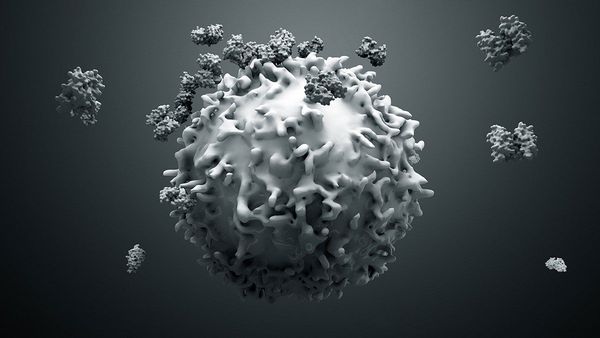
Accurately targeted immunotherapies through reliable neoantigen recognition enable personalized medicine development.
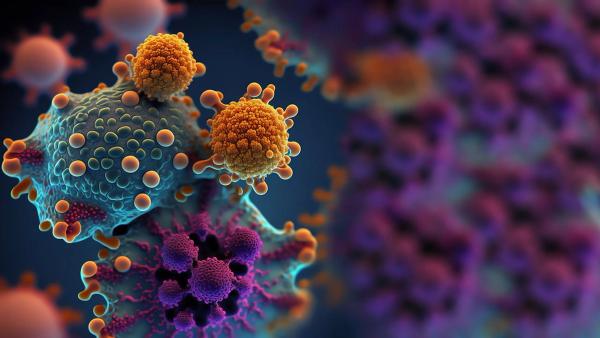
Activation and expansion are essential for success in both autologous and allogeneic therapies.
Continuous manufacturing and a quality-by-design development approach are a natural fit.

PTSM: Pharmaceutical Technology Sourcing and Management
Patheon adds API manufacturing capacity with acquisition of Roche’s Florence, SC facility.
Oxford Genetics has been awarded a grant to develop packaging cell lines for virus bioproduction and will work in collaboration with the University of Oxford to generate cell lines for the scalable manufacture of retrovirus and lentivirus vectors.
The half-cycle method for validating sterilization can have adverse effects on materials if used for steam sterilization.

Ensuring that materials have optimal critical quality attributes for the required formulations is crucial.
British artificial intelligence company BenevolentAI has signed an exclusive license for a series of novel clinical-stage drug candidates with Johnson & Johnson.
Envigo’s new assessment program can help identify if a drug has possible risk factors associated with hepatotoxicity.
The study in 48 healthy adults will assess the safety and immunogenicity of a prime-boost regime of two different intranasal doses of the RSV vaccine, SynGem.
Researchers in the University of Dundee have discovered a new method of activating drugs to combat visceral leishmaniasis. The discovery could lead to better treatments for neglected tropical diseases.
PTSM: Pharmaceutical Technology Sourcing and Management
The new facility will focus on formulation development, drug product analytical development, and quality control.
The article proposes an integration of method validation, transfer, and verification process into the overall lifecycle management process.
This article will clarify reasonable expectations for the responsibilities of topical product formulation developers and for excipient suppliers regarding the information and samples for experiments needed for QbD.

A lifecycle approach can be used to develop GMP-compliant cleaning procedures for continuous manufacturing of solid-dosage pharmaceuticals.

Shear-sensitive ingredients in a tableting formulation experience different conditions in a batch tumble blender than they would in a continuous paddle blender.
A dissolution method should have adequate discriminatory power to detect formulation changes that affect the dissolution rate of a drug product.
A variety of strategies have been employed to deliver proteins and peptides in improved parenteral formulations and/or via noninvasive routes.
Vendor selection and materials testing are complex enough, but in today’s volatile environment, risk mapping and monitoring are also crucial.
Outcry against high pharmaceutical pricing brings questions of high R&D costs and restrictive payers, but also drug development and manufacturing efficiency.
Recent astronomical price increases have driven accusations that some pharma companies are price-gouging.
PTSM: Pharmaceutical Technology Sourcing and Management
New catalysts show promise for pharmaceutical intermediate and API synthesis.
FDA redefines cocrystals as APIs and not drug-product intermediates.
Recipharm is investing more than EUR1.2 million to enhance its small-scale GMP API development and manufacturing capabilities in Paderno Dugnano, Italy.
Oxford Genetics has secured a GBP1 million capital from investment group Mercia Technologies to support its growth strategy in delivering new services for cancer-fighting gene-therapy technologies.
Teva and IBM expanded their partnership to focus on drug development and chronic disease management.
The collaboration follows the signing of a cooperative research agreement between Sanofi Pasteur, Fiocruz, and WRAIR.
Ashland opened a new pharmaceutical excipient manufacturing facility in Nanjing, China.