
A new study examines the oral delivery of protein drugs in plant cells and hypothesizes that the cold storage and transportation of biologics could someday be eliminated.
Accurately targeted immunotherapies through reliable neoantigen recognition enable personalized medicine development.
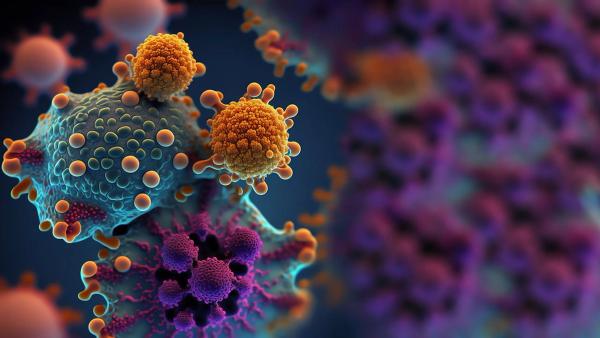
Activation and expansion are essential for success in both autologous and allogeneic therapies.
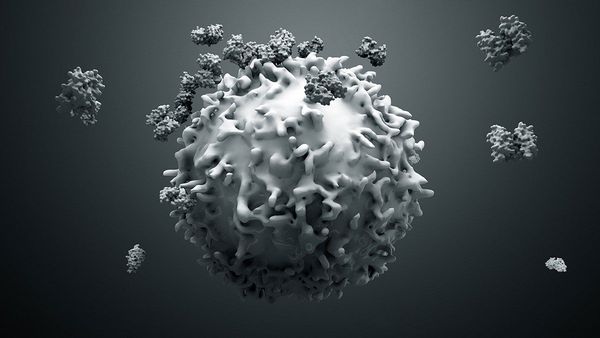
Continuous manufacturing and a quality-by-design development approach are a natural fit.

A new study examines the oral delivery of protein drugs in plant cells and hypothesizes that the cold storage and transportation of biologics could someday be eliminated.
This new method uses inter-alpha inhibitors to promote attachment and long-term growth in stem cells.
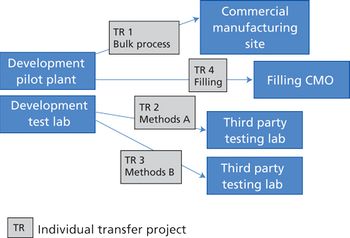
Integrating quality and compliance with technology transfer and careful project management are key in starting up a facility and launching a biologic drug.
CPhI Pharma Awards seek nominations for excellence in development and manufacturing.
Recent chiral advances demonstrate promise for API synthesis.

Polymers have played a key role as solubilizing excipients. Industry experts explain why polymer structures and functionalities are important considerations in formulation development.
Lipid-based drug delivery is increasingly being used to tackle oral bioavailability challenges resulting from poor solubility.

Aseptic spray drying provides an alternative to lyophilization as an enabling stabilization technology for parenteral biologic formulations.
PTSM: Pharmaceutical Technology Sourcing and Management
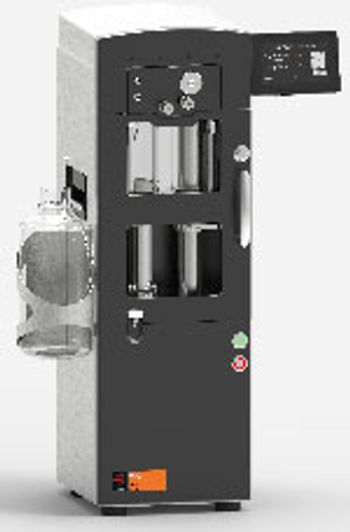
The Titan syringe pump from Syrris is a continuous-flow chemical processing module designed for lab, pilot, and production-scale applications.
PTSM: Pharmaceutical Technology Sourcing and Management
Hovione expands drug substance and HPAPI capacity in East Windsor, New Jersey.
Pharmaceutical Technology sat down with Charles N. Kettler, PhD, director of Natoli Scientific, to discuss the Natoli Institute for Industrial Pharmacy at Long Island University.

PTSM: Pharmaceutical Technology Sourcing and Management
Effective harvesting and purification processes play an essential role in ensuring that biopharmaceutical manufacturing processes provide biologic drug substances with uniform and consistent properties.
The wearable devices for the delivery of biologic products are now being manufactured and will be tested in clinical trials in the near future, according to the company.
The collaboration will provide GMP manufacturing ahead of future clinical studies.
A new 20,000-L microbial biologics facility in Ireland will be operational by 2018 for Fujifilm Diosynth's contract development and manufacturing customers.
The agency published a report on fostering the development of advanced therapy medicinal products.
FDA and bio/pharma companies get serious about continuous manufacturing to ensure product quality.

Process analytical technology paved the way for continuous manufacturing.

Industry experts discuss the benefits and challenges of using single-use systems in pharmaceutical manufacturing.

Application of flow chemistry for small-molecule API synthesis continues to expand thanks to research efforts.

Experts discuss the key considerations in the development of an autoinjector.
The authors evaluated the performance and robustness of controlled-release tablets made with HPMC blends of unimodal and bimodal molecular weight distribution.
This article presents recommendations based on a program that was set up to qualify members of a large, diverse team at one oral solid-dosage-form manufacturing facility.
As the battle for ownership over the use of CRISPR to edit DNA heats up, some of the CRISPR pioneers refocus their efforts to demonstrate the technology’s applications for editing RNA.
PTSM: Pharmaceutical Technology Sourcing and Management
The company expanded its topicals capacity with an investment in the Becomix RW30 model homogenizer.