




It can take a lot of work to make sure nothing happens.
Accurately targeted immunotherapies through reliable neoantigen recognition enable personalized medicine development.

Activation and expansion are essential for success in both autologous and allogeneic therapies.

Continuous manufacturing and a quality-by-design development approach are a natural fit.

It can take a lot of work to make sure nothing happens.

Short-term problems in software or hardware lead to long-term manufacturing troubles.
Pharmaceutical Technology Europe
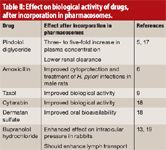
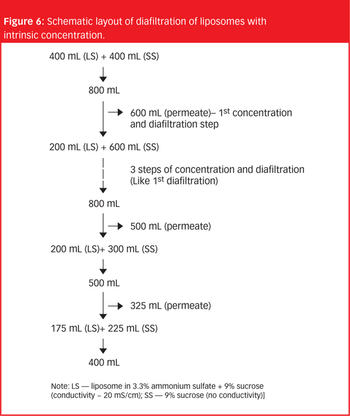
The importance of liposomes as an effective drug delivery system is well accepted in the pharmaceutical industry, but their handling remains a challenge.

Pharmaceutical Technology Europe
In 2005, a small delegation (myself included) of the European Fine Chemicals Group (EFCG) met with the deputy head of the cabinet of Commissioner Kyprianou (the then Commissioner responsible for health and consumer protection). Our mission was simple - we were there to raise a red flag.
Pharmaceutical Technology Europe
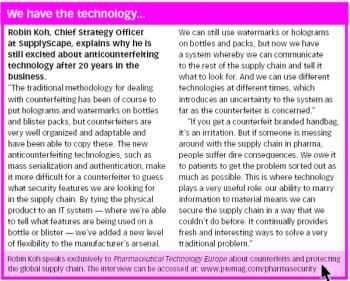
Today, approximately 1.5 million counterfeit medicine packs enter the legal supply chain each year - in other words, one pack in every 20000 is counterfeit.
ePT--the Electronic Newsletter of Pharmaceutical Technology
Also, Johnson & Johnson acquires Cougar Biotechnology; NIH launches program for rare and neglected diseases; PPD restructures leadership positions; more...
ePT--the Electronic Newsletter of Pharmaceutical Technology
Also, Oxford BioTherapeutics forms drug development pact with GSK; Avila Therapeutics names CEO; more...
ePT--the Electronic Newsletter of Pharmaceutical Technology
Also, Takeda to consolidate operations in Ireland; FDA to redesign website; Archemix names president and CEO; more...
Covance talks about the risks, challenges, and tests required to develop a pandemic vaccine.
ePT--the Electronic Newsletter of Pharmaceutical Technology
Also, Oxford BioMedica forms collaboration with sanofi-aventis; FDA requires labeling changes for botulinum toxin producs; C. Richter King joins IAVI; more...

The president of BIO proposes the ingredients needed for industry growth.
Process steps, GMP documents, a purification vessel, and validation seem to disappear.
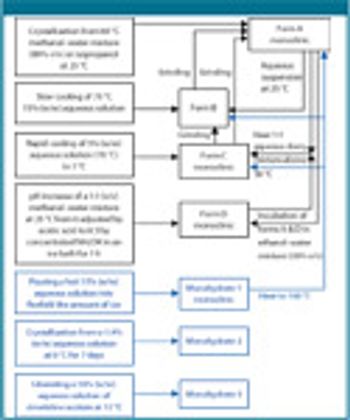
The authors describe the importance of a rapid and an abbreviated screening strategy by initial solvent screening in 20-mL scintillation vials.
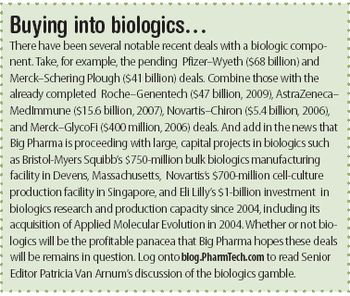
The Japanese government is eager to jumpstart its generic-drug market, but changes must come first.
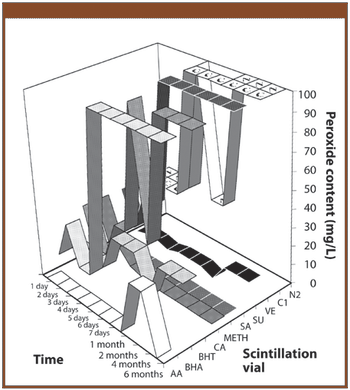
The authors investigate whether the addition of an antioxidant could be used to stabilize the solvent ethyl lactate by preventing the formation of peroxides
The GDP committee of IPEC–Europe is trying to seal one more broken link in the supply chain. This article contains bonus online-exclusive material.

Brief pharmaceutical news items for May 2009.
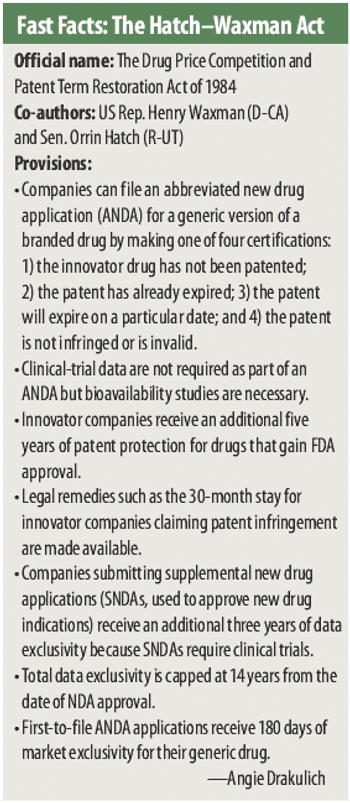
The organizations' presidents discuss market exclusivity, approval processes, and pending legislation.

Technology can solve enterprise-level problems.

Pharmaceutical Technology Europe
With a new head of the FDA expected to be announced imminently, the pharmaceutical industry waits to witness the changes that will inevitably accompany the new appointment. These changes could, however, also impact the rest of the world's pharmaceutical markets.
Pharmaceutical Technology Europe
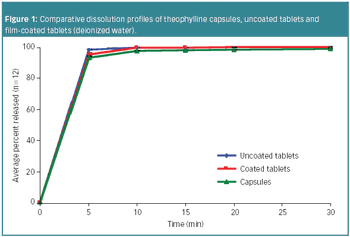
Based on formulation simplicity and blinding capability, hard gelatin capsules are preferrable compared with other oral solid dosage forms, including tablets, in the early clinical phases of drug development.
Pharmaceutical Technology Europe
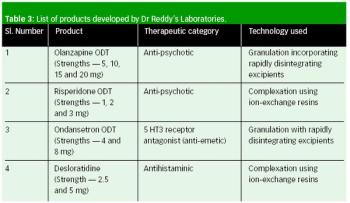
Orally disintegrating tablets offer numerous advantages compared with traditional tablets and capsules, and can be an effective solution for developing line extensions of currently marketed therapies.
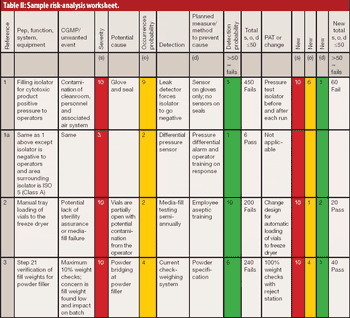
The author reviews the draft guidance on process validation, its QbD applications, and its potential impact on sterile manufacturing operations.
ePT--the Electronic Newsletter of Pharmaceutical Technology
Also, Roche's Avastin trial does not meet endpoint; Innate Pharma names regulatory VP; more...
ePT--the Electronic Newsletter of Pharmaceutical Technology
Also: Sanofi-aventis acquires BiPar Sciences; FDA issues Warning Letter to Chinese heparin manufacturer; Halo Pharmaceutical appoints chief scientific officer; more...