

Polyethylene glycol (PEG) conjugation is a highly effective technical and commercial strategy to develop macromolecules. The authors explain the benefits and process of PEGylation and how it may be applied to small molecules.
Accurately targeted immunotherapies through reliable neoantigen recognition enable personalized medicine development.

Activation and expansion are essential for success in both autologous and allogeneic therapies.

Continuous manufacturing and a quality-by-design development approach are a natural fit.

Polyethylene glycol (PEG) conjugation is a highly effective technical and commercial strategy to develop macromolecules. The authors explain the benefits and process of PEGylation and how it may be applied to small molecules.

With no economic relief in sight, industry, like all of us, is grappling with high-and new-costs.
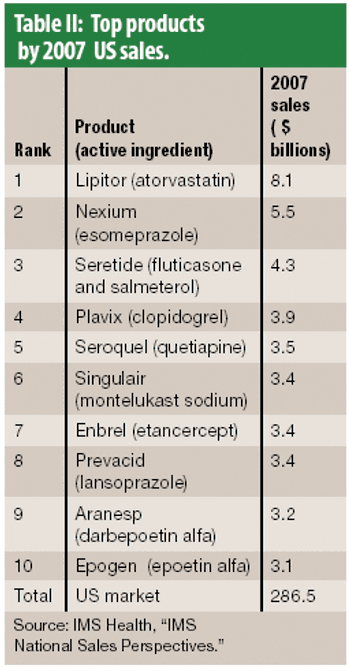
The year 2007 was slow for approvals for new molecular entities and overall pharmaceutical industry growth. Big Pharma seeks relief in a growing biologics portfolio.
Pharmaceutical Technology Europe
At first glance, the title of this article may bring a wry smile to the face of many an astute practitioner, but I can provide 'documentary evidence' that free validation is not a just a play on words, but a financial reality.
Pharmaceutical Technology Europe
The introduction of biomolecules into cells is a key technology for research in biological sciences.

Pharmaceutical Technology Europe
How can any company be sure that the standards that suppliers might claim to operate, and might be able to demonstrate from time to time, are actually being practised all the time?
ePT--the Electronic Newsletter of Pharmaceutical Technology
The US Pharmacopeia (USP) posted revised monographs for heparin sodium and heparin calcium on its website.
ePT--the Electronic Newsletter of Pharmaceutical Technology
Also, Stiefel Laboratories will acquire Barrier Therapeutics, Danube Pharmaceuticals appoints Brian Levy COO, more...
ePT--the Electronic Newsletter of Pharmaceutical Technology
Also, Patheon to expand Puerto Rico facility, Creabilis Therapeutics appoints Tony Wilson CEO, more...
ePT--the Electronic Newsletter of Pharmaceutical Technology
Effective July 1, 2008, the Office of Generic Drugs (OGD) will require abbreviated new drug applications (ANDAs) to include data that demonstrate the manufacturer's control of residual solvents.
ePT--the Electronic Newsletter of Pharmaceutical Technology
Also, Shire voluntarily recalls ADHD patch Daytrana
ePT--the Electronic Newsletter of Pharmaceutical Technology
Also, Pall plans expansion in South America, Anthony Clarke joins Alexza Pharmaceuticals, more...
ePT--the Electronic Newsletter of Pharmaceutical Technology
The US Food and Drug Administration advised patients, caregivers, and healthcare professionals to switch to hydrofluoroalkane-propelled albuterol inhalers now because chlorofluorocarbon-propelled inhalers will not be available in the US after Dec. 31, 2008.
Antibody drug conjugates offer a niche opportunity in drug development and contract manufacturing.
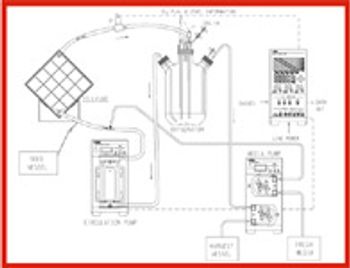
Creating a kinder, gentler manufacturing process that doesn't kill the product is the goal of process developers doing large-scale cell culture for cell therapy.

Nanoparticle-based systems present many advantages for the delivery of current and emerging biological drugs.

Letting the public inside the drug development process may increase their faith in what we do.

The good, the bad, and the ugly about direct-to-consumer advertising.

Scientists are uncovering signaling systems that operate via cannabinoid messenger molecules.
An ambitious survey of characterization techniques presents current information.

Pharmaceutical Technology Europe
When drugs are encapsulated, electrification (the electrostatic charge of the capsule) may sometimes cause problems, such as capsule adhesion during transportation or dispersion of the capsule content in the filling process.
ePT--the Electronic Newsletter of Pharmaceutical Technology
Also, GVK BIO and Wyeth Pharmaceuticals form research agreement, Eli Lilly announces changes to management, more...
ePT--the Electronic Newsletter of Pharmaceutical Technology
The European Federation of Pharmaceutical Industries and Associations (EFPIA), the trade association representing European pharmaceutical manufacturers, issued recommendations to the public consultation launched in March by the European Commission's proposed drug anticounterfeiting measures. EFPIA's proposal includes a ban on drug repackaging.
ePT--the Electronic Newsletter of Pharmaceutical Technology
Also, Pfizer to close Indiana "Exubera" facility, executive appointments at Patheon, more...
ePT--the Electronic Newsletter of Pharmaceutical Technology
Also, Quintiles Transnational to acquire Eidetics, ChemAxon appoints Alex Drijver CEO, more...