
Allergan issued a voluntary nationwide recall in the US of specific lots of ophthalmic ointment after customers complained of black particles, which came from the cap.
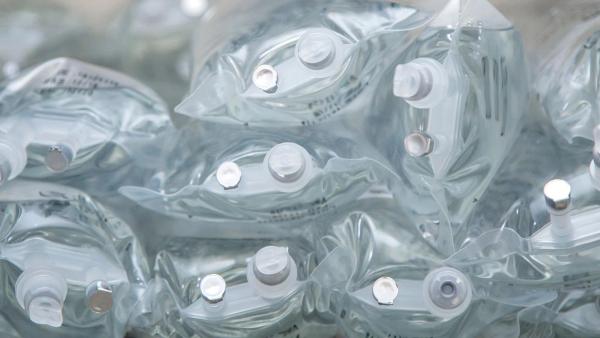
The evolution of therapeutic modalities drives the adoption of single-use technologies.
Despite its understandable hesitancy, the pharma industry is facing a need for more widespread adoption of cloud-based solutions.

Given the criticality of fill/finish processes, it is clear that automation is the next technological step.
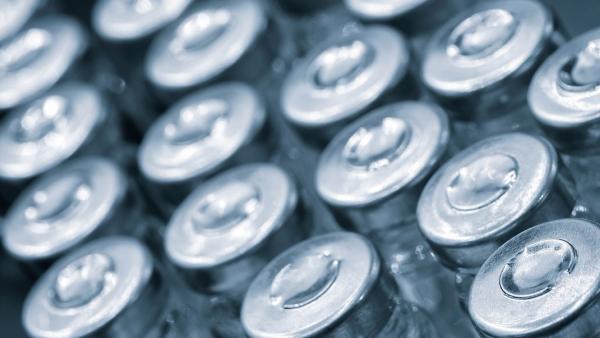
Allergan issued a voluntary nationwide recall in the US of specific lots of ophthalmic ointment after customers complained of black particles, which came from the cap.
Elizabeth Scheu & Kniss will supply replacement parts for Bosch capsule filling machines.
Biopharmaceutical company BeiGene plans to build facility in Suzhou to expand its clinical capability and prepare for commercial manufacturing.
Equipment and Processing Report
Virtual pilot programs that simulate scenarios can help the pharmaceutical industry address core issues in the implementation of serialization systems that comply with the US Drug Supply Chain Security Act.
Equipment and Processing Report
MES has already rewarded early adopters by reducing errors; next-generation technology will enable broader data analysis.
PTSM: Pharmaceutical Technology Sourcing and Management
Mylan received a warning letter citing violations at its Agila Specialty Formulation Facility, Sterile Products Division, and Onco Therapies Limited sites in India.
PTSM: Pharmaceutical Technology Sourcing and Management
Kate Kuhrt, senior director, Generics and Biotech, Thomson Reuters, spoke with Pharmaceutical Technology Europe about sourcing trends, supply chain challenges, the emerging market outlook, and how it affects European pharmaceutical manufacturers.
GSK reports no employee injuries at the facility and is assessing damage.

The complex task of stabilizing proteins is made more challenging due to the limited number of approved excipients.
The company is in discussions with Europe’s Adaptive Pathways Group on clinical trials that would evaluate its PLX cells for the treatment of specific diseases.
The expansion will enable relocation of its North American headquarters from Grayslake, Illinois.
PTSM: Pharmaceutical Technology Sourcing and Management
Companies in the US will now have the opportunity to tap into Hermes Pharma’s technical expertise in effervescent and chewable tablets, instant drinks, lozenges, and orally disintegrating granules (ODGs).
WuXi PharmaTech and TruTag Technologies successfully applied and detected TruTag's edible microtags on solid-dosage drug products and found no effect on dissolution.
PTSM: Pharmaceutical Technology Sourcing and Management
CMC Biologics will manufacture monoclonal antibodies (mAbs) and provide process development services for the PATH Malaria Vaccine Initiative.
The reconfigured Sartobind membrane adsorber capsules from Sartorius Stedim Biotech is said to have higher binding capacities, reduced void volumes, as well as consume less buffer, enabling lower operational costs.
PTSM: Pharmaceutical Technology Sourcing and Management
Catalent selects advisory board members to complement Redwood Bioscience Scientific Advisory Board.
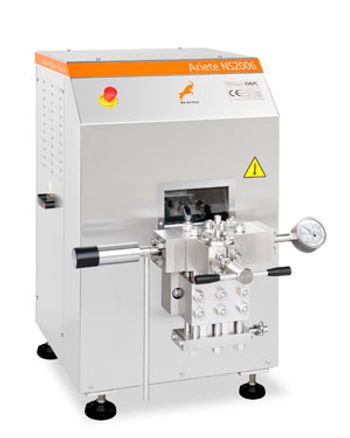
GEA's self-contained homogenizer is designed for laboratory applications, including cell dispersions.
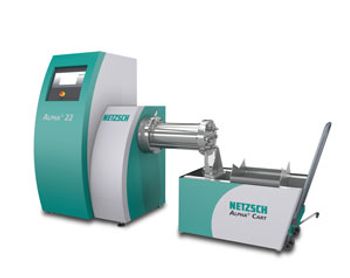
The Alpha agitator bead mill from Netzch is designed to mount different grinding systems on the same base platform.
Deal includes rights to Inovio’s INO-3112 HPV cancer vaccine and preclinical collaboration to develop additional cancer vaccine candidates.
Flexion will have a dedicated manufacturing suite at Patheon's Swindon, England facility for Flexion's osteoarthritis steroid drug product.

Contract research, development, and manufacturing organizations (CROs, CDMOs and CMOs) are embracing lean manufacturing, while Big Pharma is applying it, not so much for inventory management, but to improve supply chain visibility and control.

A study of root cause in stability samples suggests the need for tighter control of the sodium lauryl sulfate manufacturing processes.
US generics manufacturer Amneal acquires a former J&J plant in Ireland.
The agreement gives Merck a non-exclusive license to use Codexis’ proprietary CodeEvolver protein engineering platform technology to develop novel enzymes for use in the manufacture of Merck’s pharmaceutical products.
PTSM: Pharmaceutical Technology Sourcing and Management
Aprecia Pharmaceutical’s SPRITAM levetiracetam gains FDA approval for the treatment of epilepsy.