

Brief pharmaceutical news items for February 2009.
The evolution of therapeutic modalities drives the adoption of single-use technologies.
Despite its understandable hesitancy, the pharma industry is facing a need for more widespread adoption of cloud-based solutions.

Given the criticality of fill/finish processes, it is clear that automation is the next technological step.
Brief pharmaceutical news items for February 2009.

The author defines sanitizers, disinfectants, and antibiotics, and examines the question of whether the rotation of disinfectants is scientifically warranted.
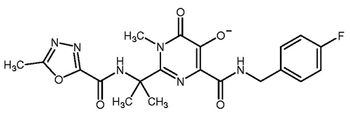
The pharmaceutical majors forward projects in biocatalysis, solvent replacement, and other approaches in green chemistry.
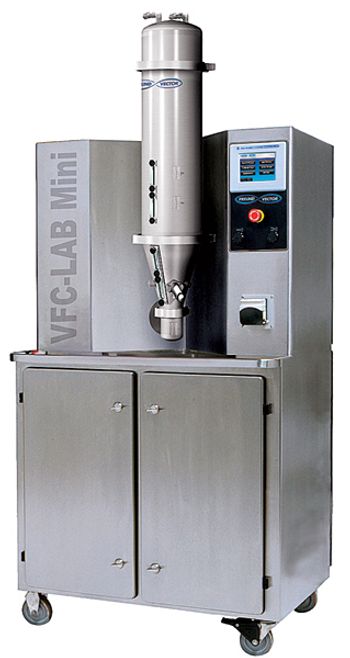
Editors' Picks of Pharmaceutical Science & Technology Innovations
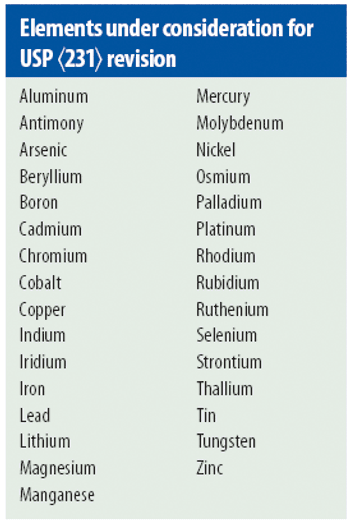
USP <231> Heavy Metals is transitioning toward the incorporation of modern quantitative technologies, but there is still much to be resolved.

To manage risk properly, industry must understand what it is and how to assess it

A recent reader poll focused on predictions for the industry's future.
The Romanian pharmacetuical market has grown significantly in recent years, but with stagnation on the horizon, a path forward is needed.
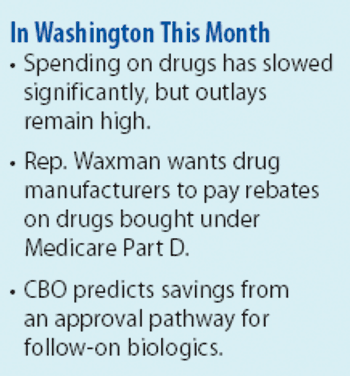
Efforts to cut healthcare outlays will focus on drug costs, despite a drop in prescription sales.
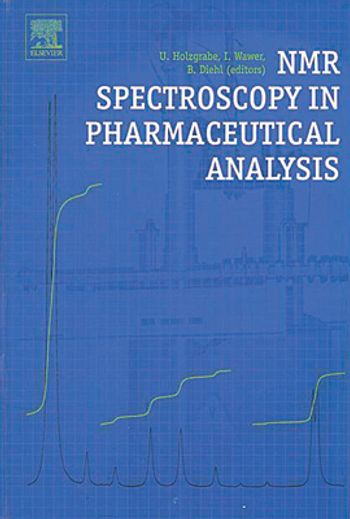
A new book inspires readers to seek ways to apply NMR spectroscopy to their own purposes.

FDA's role should not be overlooked as it has been in years past.
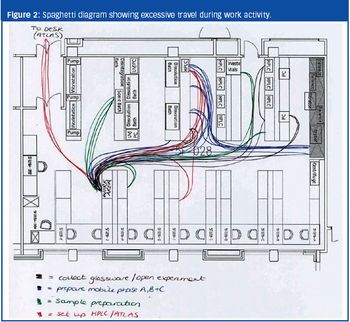
Lean Sigma approaches can reduce waste, cost, cycle time and variability in outputs.

Pharmaceutical Technology Europe
Pfizer is no normal company. As recently as 2007 it was still the industry's largest player with $47.5 billion (36.8 billion euro) coming in from pharma sales alone.

Pharmaceutical Technology Europe
A discussion of the basic principles of immunity and the nature of antibodies.

Pharmaceutical Technology Europe
During the last 20 years, pharmaceutical R&D spending has increased 15-fold while new product approvals have increased only 0.70-fold.

ePT--the Electronic Newsletter of Pharmaceutical Technology
The American Society for Quality (ASQ), a membership organization that focuses on quality training in several industries including pharmaceuticals and healthcare, has adopted a new certification for good manufacturing practice (GMP) professionals.
ePT--the Electronic Newsletter of Pharmaceutical Technology
Also, UCB will divest certain business in emerging markets to GSK; the KineMatik Group named Michael G. Jarjour president and CEO; more...
ePT--the Electronic Newsletter of Pharmaceutical Technology
Pfizer will purchase Wyeth (Madison, NJ) under a definitive merger agreement approved by both companies' boards of directors.
ePT--the Electronic Newsletter of Pharmaceutical Technology
Also, Elan explores strategic alternatives; NanoGuardian appoints John D. Glover to lead its Security Advisory Board; more...
ePT--the Electronic Newsletter of Pharmaceutical Technology
Eli Lilly and Company has reached resolution regarding its previously reported government investigation into the company's US marketing and promotional practices for "Zyrexa" (olanzapine), an antipsychotic drug, thereby ending a government investigation started in 2004.
ePT--the Electronic Newsletter of Pharmaceutical Technology
Last week, the US Food and Drug Administration issued a draft guidance for industry, Standards for Securing the Drug Supply Chain–Standardized Numerical Identification for Prescription Drug Packages, and launched a pilot program to help protect the pharmaceutical supply chain.
ePT--the Electronic Newsletter of Pharmaceutical Technology
The US Department of Health and Human Services's Biomedical Advanced Research and Development Authority has awarded Novartis a contract valued up to $486 million over eight years to support the design, construction, validation, and licensing of a US cell-based influenza vaccine manufacturing facility in Holly Springs, North Carolina.
ePT--the Electronic Newsletter of Pharmaceutical Technology
The US Food and Drug Administration issued its Draft Guidance for Industry on Submission of Laboratory Packages by Accredited Laboratories.
Equipment and Processing Report
One relatively new dosage form is the orally dissolving strip, a thin film formulated with hydrophilic polymers that rapidly dissolves on the tongue.
Equipment and Processing Report
PharmTech's monthly newsletter, Equipment & Processing Report, reviews the Editor's Picks for the January 2009 edition from Clark Solutions and Neopac.