


The selection of an appropriate salt form for a potential drug candidate is an opportunity to modulate its characteristics to improve bioavailability, stability, manufacturability, and patient compliance.

The selection of an appropriate salt form for a potential drug candidate is an opportunity to modulate its characteristics to improve bioavailability, stability, manufacturability, and patient compliance.

Editors' Picks of Pharmaceutical Science & Technology Innovations; Analytical system provides multiuser capability; Encapsulator aids dosage design; Versatile drive offers quick setup

Show blasts off this month in Philadelphia with more suppliers, new trends, and real-world solutions.

Results from Pharmaceutical Technology's Equipment and Machinery Trends survey and industry members provide insight into product innovation

A preview of some product enhancements and launches for Interphex 2008, the large trade show being held Mar. 26–28 in Philadelphia.

A news roundup for March 2008.

In this topical review, the authors discuss the rationale behind microstructural requirements for biopharmaceutical equipment and problems that may be encountered during the fabrication of high-performance corrosion-resistant equipment.

Brief pharmaceutical news items for March 2008.

This article focuses on upgrading and improving a packing process to comply with current good manufacturing practices. The authors sought to maintain proper quality assurance for finished products.

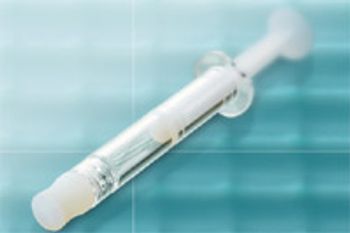
Twenty years ago it was commonplace for pills, tablets and capsules to come in small, plastic or even glass bottles. Syrups were a much more common galenic solution than today, and individual dosages of injectables were only offered in glass vials and ampoules.

The stability of drugs in solid forms such as powders, tablets and capsules is usually determined very thoroughly by the drug's manufacturer. Based on stability study data, the shelf-life of a drug substance or a drug product is assigned. In addition to dispensing solid dosage forms to patients, pharmacists are frequently asked to compound oral liquid preparations for which the shelf-life or beyond-use date are assigned based on the pharmacist's best judgment - often without the benefit of stability data.

Conventional influenza vaccines use an egg-based culture and harvest process. This is slow and inflexible compared with emerging cell culture-based approaches that respond rapidly to the influenza virus's inherent ability to 'drift' or, more dangerously, 'shift' - a critical factor that would arise in the event of a pandemic.

My personal experience of lab automation is limited to supervising a peptide synthesiser back in the late 1980s. The machine was eye-wateringly expensive - but it was soon paying its way in terms of productivity and research publications. So if I were a stake-holder in a company pondering whether to invest in a well-designed gadget that could automate a routine operation, I'd say: 'go for it'.

The pharmaceutical industry has experienced a number of difficulties during recent years. Greater competition from generics (more than 60% of prescription drugs are supplied from the generic market) and increased gaps in the drug pipeline that result in acquisitions or strategic alliances has led to a feeling of uncertainty in the bio/pharma marketplace. There have also been changes in the marketplace with a shift from primary care to specialty drugs, the introduction of personalized medicine driving the need for biomarker/diagnostic technology and the introduction of biopharmaceuticals.

Six sigma, process analytical technology (PAT) and related initiatives are driving greater use of statistical analysis methods to increase process understanding and improve manufacturing capabilities.

Pre-Interphex Showcase: Cleanrooms

Also, Genmab will acquire PDL Pharma's Minnesota manufacturing facility, DSM Pharmaceuticals appointed Hans Engels president and business unit director, more...

The US Patent and Trademark Office rejected the patentability of claims of a patent by Genentech that related to certain methods used to make antibodies and antibody fragments by recombinant DNA.

APP Pharmaceuticals will boost manufacturing of therapeutic multidose vials of heparin.

The US Food and Drug Administration has issued generics manufacturer Vintage Pharmaceuticals a warning letter stemming from July through August 2007 that found observations pertaining to microbial contamination and failures in testing and documentation procedures.

The US Food and Drug Administration recently revealed that the active ingredient used in the production of Baxter International Inc.'s recalled drug Heparin was made in a plant in China.

Also, Biocon will acquire 70% of AxiCorp, ARIAD Pharmaceuticals promoted Richard W. Pascoe to the new position of COO, more...

The US Food and Drug Administration issued a draft guidance for industry titled "Good Reprint Practices" regarding the distribution of medical or scientific journal articles and reference publications that involve unapproved uses of FDA-approved drugs and medical devices.

Preparing sterile products requires manufacturers to control microbial quality. Sterility and endotoxin content are critical because failure to properly manage them can seriously harm, or even kill, patients.

To ensure an effective treatment, a patient often must take equal doses of an active pharmaceutical ingredient (API) at regular intervals.