

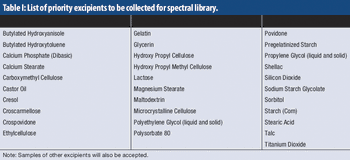
FDA, in cooperation with IPEC, is building a spectral library of excipients to detect improper ingredients within a drug product on site.
Contract service providers must step up their game to stay competitive in increasingly complex bio/pharma market.

A look at the newest innovations offers a deeper understanding of affinity ligands and their role in the future of downstream processing.

FDA, in cooperation with IPEC, is building a spectral library of excipients to detect improper ingredients within a drug product on site.

Getting an answer is easy-asking the right question is apparently more difficult.

Member states in the EU are working to implement the newly passed Falsified Medicines Directive.
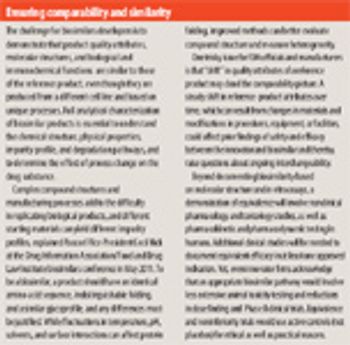
Follow-on versions of complex biologics require extensive expertise in development and regulatory procedures.

Better strategies and practices in sourcing and procurement can contribute to the bottom line.

A recent industry survey shows keen interest in improving bioreactors and cell-culture media.
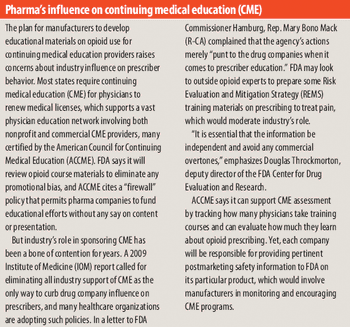
Industry struggles to curb drug abuse, diversion, and disruptions in supply.
Sometimes, there are just too many cooks in the kitchen.
FDA added a searchable database of inspection data to its website. The database lists the names and addresses of facilities that the agency inspected during fiscal years 2009 and 2010.

India's drug pricing authority increased the retail costs of certain domestically manufactured drugs, but not those of imported drug products. Pharma is asking why.
Global spending on medicines will total almost $1.1 trillion by 2015, according to an IMS Institute for Healthcare Informatics study.
The IPEC is soliciting public comment about a draft plan for the independent certification of manufacturers and suppliers of pharmaceutical excipients.

Eastern Europe's pharmaceutical leader, Hungary, is working to maintain its number-one status while also pursuing new avenues, especially in biopharmaceuticals.

Lessons from the earthquake in Japan show the vulnerability of the bio/pharma supply chain.

FDA, NIH and industry seek new strategies to spur drug development and promote access to therapies.
Many factors affect research results.
Axcan acquires Mpex Pharmaceuticals; Bend Research receives patent for improving bioavailability of low-solubility drugs; and More.

Courts and Congress seek to reshape policies and programs.

The contract-research industry in China is growing in leaps and bounds, and Big Pharma is leading the way.

PhRMA efforts of industry's R&D scientists.
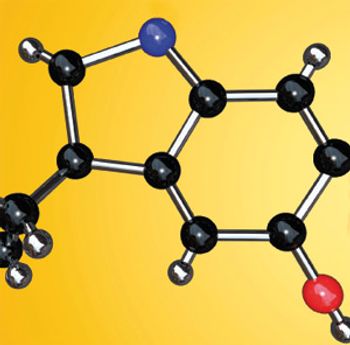
Chemocatalytic and biocatalytic routes play an important role in improving the manufacture of intermediates and active pharmaceutical ingredients.

The complexity of third-party external supply networks requires new ways to manage them.
In any industry, inspections can be a pain, and pharma is no exception.

Companies engaged in global mergers and acquisitions may be hearing from the Department of Justice more often to ensure that corruptive practices are not taking place.

The need for greater process understanding raises the bar for suppliers.