


Investing in a single source enterprise-wide LMS to fuel risk management and mitigation offers multi-dimensional return on investment.
Investing in a single source enterprise-wide LMS to fuel risk management and mitigation offers multi-dimensional return on investment.
FDA is exploring ways to keep branded drug companies from using REMS to block the development of generic drugs.
The level of formality in change control may be holding back your SOP progress, according to Siegfried Schmitt, principal consultant at PAREXEL.
The revised Akers-Agalloco aseptic risk assessment and mitigation method includes two sub-methods that can be used independently for risk assessment.
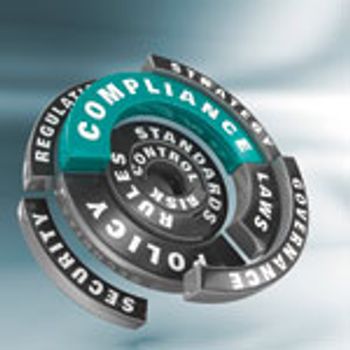
Creating a quality culture can prevent the costs and challenges associated with receiving a consent decree.

In Part I of this article series, the regression control chart method for identifying out-of-trend data in pharmaceutical stability studies is investigated, and an improved approach is suggested.
FDA published guidance on the format and content of REMS documents.
Focusing on whether the product meets its defined quality attributes should help one make reasonable, documentable, and defendable risk-based decisions, according to Susan Schniepp, distinguished fellow at Regulatory Compliance Associates.
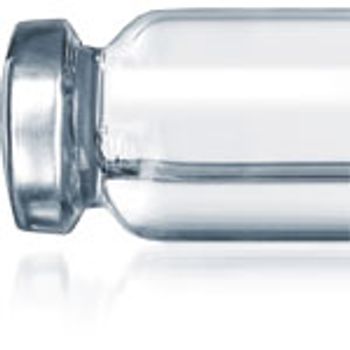
This article discusses fully automatic inspection of glass and plastic containers and factors that affect particle detection rate.
Lawrence Yu, deputy director of the Office of Pharmaceutical Quality (OPQ), Center for Drug Evaluation and Research (CDER), and his FDA colleague, Michael Kopcha highlight the importance of Six Sigma approaches to continuous improvement in the pharmaceutical industry.
The draft guidance gives recommendations for reproductive toxicity testing and labeling.
FDA sent a warning letter to Shandong Vianor Biotech Co., Ltd. that claimed the company failed to follow proper data integrity and quality control procedures.
Validation and batch testing failures were among the violations found by the FDA at the company’s Jiangsu facility.
The agency will offer $35 million in funding over the next five years, on research that aims to modernize manufacturing and quality assurance and control (QA and QC) practices.
Scientists at Scripps’ Florida campus showed for the first time that quality control steps exist in the production of proteins, which presents a target for anti-cancer drug development.
Six years after the guidance, it’s time to change our quality assurance vocabulary.
The differences between the quality control and quality assurance units can be found in their names, according to Siegfried Schmitt, principal consultant at PAREXEL.

Forced degradation studies can identify stability problems for drug substance and drug products.

When it comes to getting the best out of quality by design, timing is everything.
PTSM: Pharmaceutical Technology Sourcing and Management
Pilot tests will evaluate a system developed by Ambrosus Technologies, using smart contracts and advanced sensors to ensure pharmaceutical quality, safety, and traceability.
The review of batch records creates a story of the materials, manufacturing, and packaging involved in the production of bio/pharmaceuticals, according to Susan Schniepp, distinguished fellow at Regulatory Compliance Associates.

Investigational failures and discrepancies can be avoided through the proper execution and documentation of investigations.
Weak or faulty quality systems can hurt a company at every stage of a product’s lifecycle.
One day after Ocular Therapeutix sent FDA a detailed response highlighting manufacturing improvements, FDA rejected its application for Dextenza, a new drug designed to alleviate post-operative eye pain.

This article presents a general strategy for authorship of deviation investigations, with primary focus on regulatory inspection success.