



Researching excipient grades and sources, as well as screening suppliers and materials, form the basis of programs to mitigate risk.

Researching excipient grades and sources, as well as screening suppliers and materials, form the basis of programs to mitigate risk.

Complex protein structures pose analytical challenges that can be addressed by advanced mass spectrometry technologies and workflows, which can be used to comprehensively characterize them.
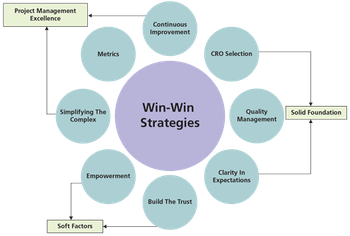
How to adopt win-win strategies and understand quality agreements for complying with cGMP when building strategic relationships with pharmaceutical contract research organizations.
Pharmaceutical Technology's In the Lab eNewsletter
The company’s new Milliflex Oasis System provides enhanced result reliability, increased productivity, and advanced traceability.
The agency has published seven guidance documents directed at the development and manufacture of gene therapies.
The agency celebrates the efforts it has made in creating a system for the evaluation and supervision of medicines throughout the European Union.
FDA revised the guidance after industry feedback and to clarify CGMP requirements for outsourcing facility operations.
The agency’s joint Big Data Task Force and the Heads of Medicines Agencies proposed actions for the use of big data to support innovation and public health.
FDA sent a warning letter to Health Pharma USA after an inspection found the company’s quality unit was not properly overseeing its drug manufacturing operations.
FDA has granted fast track designation for Novavax’s NanoFlu, a recombinant quadrivalent flu vaccine, for use by adults age 65 years and older.
Equipment and Processing Report
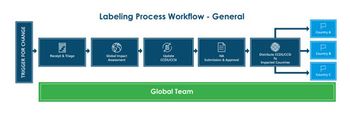
Tracking and implementing label changes are crucial to the lifecycle of a marketed drug product.

As mergers continue and operations become more complex, simplifying procedures and training can prevent costly morale, quality, and compliance problems.
Top of CDER’s to-do list for 2020 is tracking adverse events more effectively and combating the opioid crisis.
The company has various projects and launches scheduled for 2020 as part of its anniversary celebration.
The numbers of new molecular entities approved in 2019 are close to or exceed FDA’s performance in most previous years.
The agency sent a warning letter to Henan Kangdi Medical Devices Co. Ltd after an inspection found CGMP violations that included a variety of failures of the company’s quality unit.

Pressures on FDA will affect industry’s success in bringing new therapies to market.
FDA sent a warning letter to GPT Pharmaceuticals Pvt. Ltd. after inspectors found CGMP violations that included equipment that was not properly maintained.
Aurobindo Pharma USA, Inc. voluntarily recalled Mirtazapine Tablets due to an error on the label that listed the incorrect strength.

FDA’s approval rate slowed, but the US agency is still ahead of its international counterparts in green-lighting new drugs for market.

Focusing on symptoms instead of root causes locks teams into a corrective, rather than preventive, mindset.

Past mistakes and misstatements have adversely influenced industry decontamination practices with vapor phase hydrogen peroxide, and this article endeavors to clarify the process.
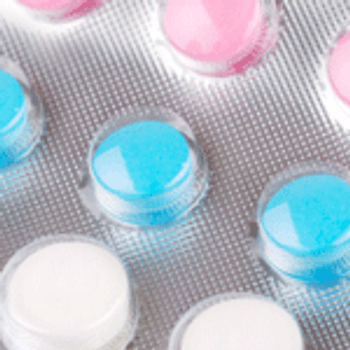
Regulatory mandates, niche diseases, and patient-centric solutions have all impacted pharma packaging over the years and are expected to help shape the future of the sector.

Without careful consideration and understanding, new regulations for medical devices could lead to the withdrawal of combination products from the market.
The guidance describes procedures for obtaining an additional National Drug Code for prescription drugs imported into the United States.