
ePT--the Electronic Newsletter of Pharmaceutical Technology
Also, Genzyme and Bayer HealthCare form agreement; FDA releases draft guidances; TransMolecular appointed Robert Radie president and CEO
There is a great need for sensitive, precise, and easily accessible analytical detection techniques for protein sequencing.

The emergence of mRNA vaccines and cell and gene therapies has pushed innovation in analytical methods.
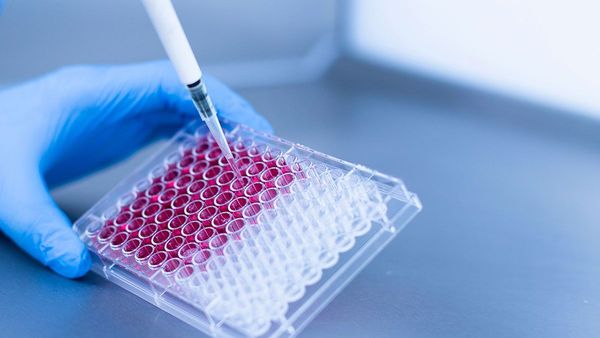
Effective analytics will eliminate failures, deviations, and non-conformances.

ePT--the Electronic Newsletter of Pharmaceutical Technology
Also, Genzyme and Bayer HealthCare form agreement; FDA releases draft guidances; TransMolecular appointed Robert Radie president and CEO
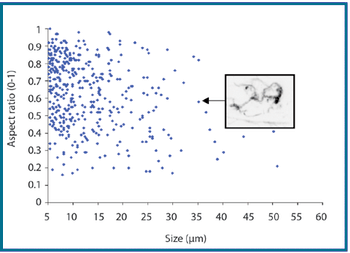
The authors describe a novel analytical approach that uses the shape-analysis capabilities of MFI to detect and enumerate silicone oil microdroplets in protein formulations that also contain aggregates of similar size and in a similar concentration.
ePT--the Electronic Newsletter of Pharmaceutical Technology
Also, SOCMA changes name; two FDA approvals; Biogen Idec names chief operating officer; more...
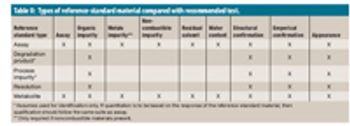
The author reviews the types of reference-standard materials used in drug-product manufacturing, discusses current regulatory requirements, and outlines a reference-standard qualification program.

Brief pharmaceutical news items for April 2009.

FDA is poised to gain authority and resources to ensure the quality of food and drugs.
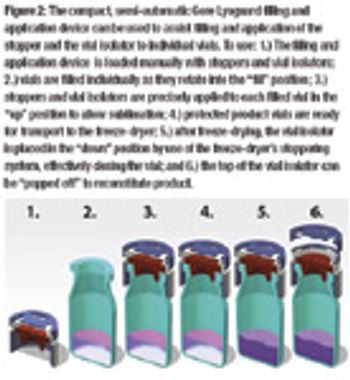
By reducing cycle time and implementing quality-by-design inspired engineering, advanced lyophilization systems are driving the industry toward greater efficiency and control.
Standards data is helpful, but FDA needs to apply its information across the board. This article contains bonus online-exclusive material.

Obama's cost-containment and science-innovation initiatives need to overlap.

The financial and economic downturn is likey to have long-term implications for outsourcing.
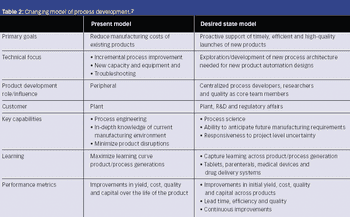
Pharmaceutical Technology Europe
Operational excellence awaits, but only if you can implement PAT successfully.
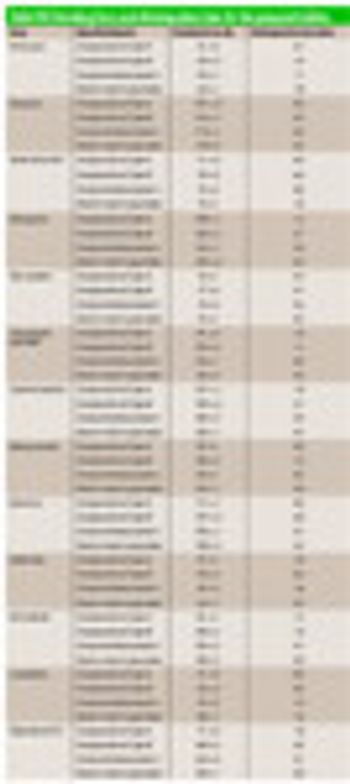
The authors examine common superdisintegrants (i.e., crospovidone Type A, crospovidone Type B, croscarmellose sodium, and sodium starch glycolate) with a set of poorly soluble drug actives and evaluate in vitro drug dissolution.
ePT--the Electronic Newsletter of Pharmaceutical Technology
Also, Hospira to reduce workforce; WuXi AppTech makes senior appointments; more...
ePT--the Electronic Newsletter of Pharmaceutical Technology
A bipartisan bill that would establish a regulatory pathway for the approval of biosimilars was introduced into the US House of Representatives last week.
ePT--the Electronic Newsletter of Pharmaceutical Technology
The US Pharmacopeial Convention (USP) and the National Institute for the Control of Pharmaceutical Biological Products (NICPBP), China's agency for overseeing the quality of large- and small-molecule drugs, signed a memorandum of understanding (MOU) to bolster the quality of medicines in China and in the countries that buy Chinese drug products, including the United States.
ePT--the Electronic Newsletter of Pharmaceutical Technology
Also, Genzyme receives warning letter; Mesa Laboratories appoints John J. Sullivan CEO and a member of the board of directors; more...
ePT--the Electronic Newsletter of Pharmaceutical Technology
Also, Penn Pharma to expand; stem cell research funding ban lifted; Bristol-Myers Squibb made senior appointments; more...
ePT--the Electronic Newsletter of Pharmaceutical Technology
Also, Schering-Plough's vaccine unit, Nobilon, formed an agreement with the World Health Organization; Ore Pharmaceuticals named president and CEO; more...
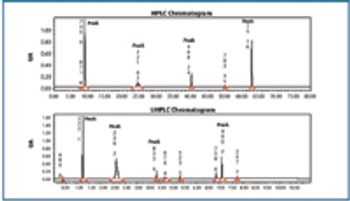
Ultra high performance liquid chromatography is advantageous in a contract laboratory because it is faster, more sensitive, and relies on smaller volumes of organic solvents than HPLC.

USP's Stage 2 heparin monograph revisions address identification, potency, and impurities.

Industry has changed, but its basic tenets have not. INTERPHEX's RJ Palermo discusses a 7-step process to keep pharma moving forward.
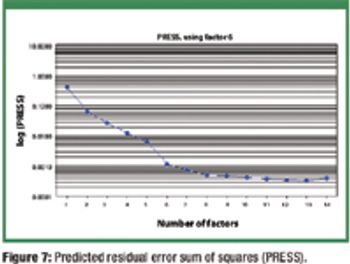
The authors extend the range of a near-infrared calibration model for tablet assay using production 'seed' spectra and synthetic spectra generated from placebos and 'pure' active pharmaceutical ingredient spectra.
Editors' Picks of Pharmaceutical Science & Technology Innovations

Brief pharmaceutical news items for March 2009.

Contract manufacturers of APIs and intermediates report gains, but express caution.